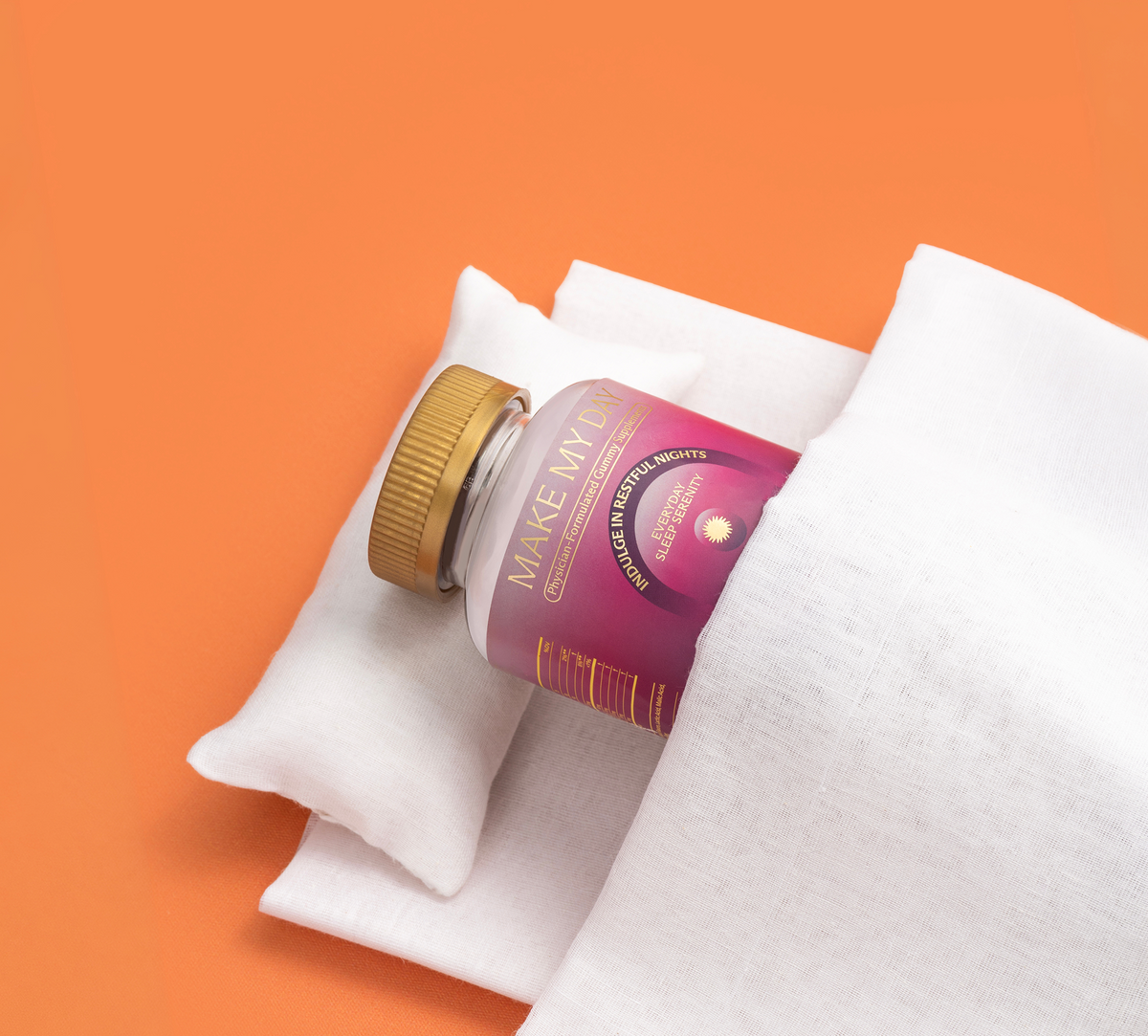
There is something underrated about the last hour of the day.
It is the space between everything you had to do and the moment you finally get to stop. Yet for a lot of us, winding down does not feel particularly restful. One more email becomes ten more minutes. Ten more minutes becomes another episode. And somehow, bedtime arrives before our minds have had a chance to catch up.
A better evening does not have to mean completely redesigning your routine. It can begin with a few small cues that tell your body and mind: the busy part of the day is over.
Make the transition intentional
During the day, we move quickly from one thing to another. Meetings. Errands. Workouts. Messages. Decisions. By nighttime, it can be difficult to switch from constant stimulation to rest on command.
That is why a wind-down routine works best when it feels like a transition rather than another task on your list.
Try creating a short sequence you genuinely enjoy. It might look like this:
- Dim the lights around the house.
- Put your phone on charge somewhere out of reach.
- Take a warm shower or wash your face.
- Make a caffeine-free drink.
- Read a few pages of something that has nothing to do with work.
- Take your evening supplements at roughly the same time each night.
None of these habits needs to be impressive. The point is repetition. Over time, familiar evening cues can make the end of the day feel less abrupt and more like something you ease into.
Put a little distance between your day and your pillow
One of the easiest ways to make evenings feel calmer is to stop carrying the entire day directly into bed.
If possible, give yourself a small buffer between work and sleep. Close the laptop. Clear the coffee cup from your desk. Write tomorrow's first priority somewhere you will see it in the morning. You are not trying to solve tomorrow tonight. You are giving yourself permission to be finished for the day.
Even ten or fifteen intentional minutes can change the way an evening feels.
Rest does not need to be earned by exhausting yourself first.
Make your bedroom feel like the quietest part of your home
Your surroundings matter, too. A bedroom that still feels like an office, entertainment center and storage room can make it harder to mentally separate daytime from nighttime.
You do not need a hotel-suite makeover. Start with the basics: comfortable bedding, a cooler room, softer lighting and fewer glowing screens. Keep the things that make the space feel peaceful and move the distractions somewhere else when you can.
The goal is simple: when you walk into the room, it should feel like the day is getting quieter.
Choose rituals you actually want to repeat
There is a reason complicated wellness routines tend to disappear after a few enthusiastic days. If taking care of yourself feels inconvenient, unpleasant or joyless, consistency becomes much harder.
At Make My Day, that idea shapes the way we think about everyday wellness. Your routine should not feel like punishment. The products you use, the habits you build and the moments you create around them should be easy enough—and enjoyable enough—to come back to tomorrow.
That philosophy is especially important at night. A wind-down routine should feel less like checking boxes and more like closing the day well.
Your five-minute wind-down
If you are not sure where to begin, keep it almost ridiculously simple tonight:
- Put your phone away.
- Lower the lights.
- Take a few slow breaths.
- Do one small thing that feels good to you.
- Go to bed at the time you planned to.
Tomorrow night, do it again.
You do not need the perfect nighttime routine. You need one you look forward to enough to keep.
A better day can start the night before
Wellness is rarely one dramatic decision. More often, it is a collection of small choices repeated until they become part of your life.
So make the lights softer. Close the laptop. Put tomorrow aside for a little while.
Your day is allowed to end beautifully.
Explore Make My Day wellness and build a daily ritual that feels as good as taking care of yourself should.
*These statements have not been evaluated by the Food and Drug Administration. Make My Day products are not intended to diagnose, treat, cure, or prevent any disease. Individual results may vary.